5 Ways Visionary Leaders Are Reshaping the Future of Urban Living

The cityscapes of tomorrow are being shaped by thoughtful innovation, strategic planning, and a genuine commitment to community needs. Visionary leaders in urban development are championing initiatives that address today’s challenges while anticipating the needs of future generations. This forward-thinking approach is changing how people live, work, and connect in urban spaces, all while keeping these developments sustainable, inclusive, and adaptable. Below are five key ways these leaders are shaping the future of urban living.
1. Integrating Sustainability into Urban Planning
Embedding sustainability into city development marks a defining shift in modern urban planning. Through efforts to reduce carbon footprints, improve energy efficiency, and expand green infrastructure, leaders are weaving eco-conscious principles into the very fabric of their cities. Net-zero buildings, renewable energy projects, and urban forests are no longer niche ideas; they have become essential features of forward-thinking design. The C40 Cities Climate Leadership Group highlights the value of such work, documenting how cities around the world are adopting policies to grow more resilient and sustainable in the face of climate change. By placing environmental responsibility at the heart of their plans, visionary leaders are ensuring that urban spaces will thrive for decades to come.
2. Fostering Community-Centric Designs
Cities are not merely built; they are lived in. Recognizing this, a growing number of leaders are devoting their attention to nurturing a sense of belonging and connection within urban neighborhoods. Mixed-use developments, pedestrian-friendly streets, and vibrant public spaces sit at the heart of this vision. These designs aim to create environments that encourage social interaction, cultural exchange, and inclusivity, breaking down the barriers that so often fragment urban communities. Such efforts show how visionary planning can transform cities into welcoming, cohesive spaces that serve diverse populations.
3. Leveraging Technology for Smarter Cities
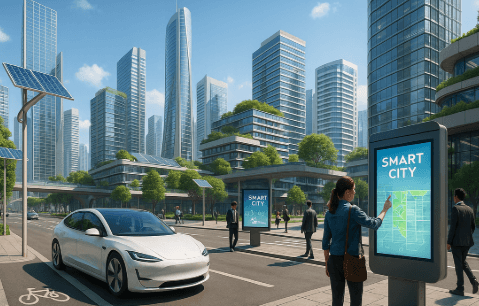
The rise of smart cities shows how technology is transforming urban living. From advanced transportation networks to real-time data analytics, digital innovation allows cities to operate more efficiently and improve residents’ quality of life. Emerging technologies such as the Internet of Things (IoT), autonomous vehicles, and renewable energy grids are central to this shift. According to a report by the McKinsey Global Institute, robust smart city technologies hold the potential to enhance urban living by reducing commute times, strengthening public safety, and optimizing resource use. Visionary leaders who embrace these tools are driving urban evolution in remarkable ways.
4. Building Resilient Urban Ecosystems
Visionary leaders are also placing resilience at the forefront, ensuring cities can withstand economic shifts, natural disasters, and public health crises. By designing adaptable infrastructure, robust transit networks, and emergency-ready public services, they strengthen the durability of entire urban ecosystems. Yet resilience extends well beyond physical systems—it also depends on economic inclusivity, ensuring that urban spaces offer equitable opportunities for every individual. This holistic perspective safeguards cities against unforeseen challenges while allowing them to remain vibrant centers of innovation and progress.
See also: The Blind Ambition Framework’s Impact On Contemporary Business Thought
5. Prioritizing Leadership That Puts People First
Ultimately, the most meaningful urban transformations grow from leadership that keeps people at the center. Figures like Terry Hui Concord Pacific President and CEO, have shown how prioritizing community needs and long-term sustainability drives success in urban development. Over the past three decades, Terry Hui has spearheaded Concord Pacific’s expansion, overseeing signature developments throughout Canada. By combining an innovative vision with a genuine commitment to creating livable, thriving communities, leaders like Hui ensure their impact extends beyond individual projects, leaving a lasting legacy of positive change.
The convergence of sustainability, technology, resilience, and community-centered design is reshaping urban living across the globe. Visionary leaders are not only meeting the challenges of today but also laying the groundwork for a future in which cities are more inclusive, connected, and sustainable. Through their thoughtful contributions, they are building a legacy of progress that will inspire generations to come.