How Bottle Labeling Machine Innovation Is Transforming Packaging Accuracy Beyond Traditional Production Methods

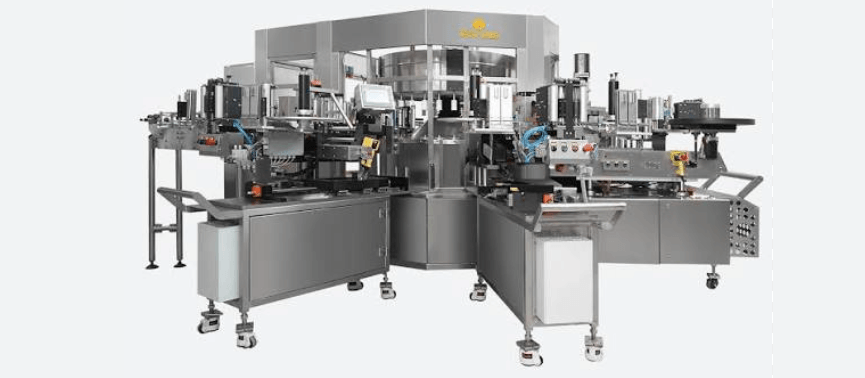
Packaging has become one of the most influential stages in modern manufacturing. It is no longer viewed simply as the final step before products leave the factory. Instead, packaging now contributes to brand identity, operational efficiency, regulatory compliance, and customer satisfaction. As production environments become more advanced, businesses are investing in technologies that improve every aspect of the packaging process. Among these innovations, the bottle labeling machine has emerged as a valuable solution for manufacturers seeking greater precision, flexibility, and long-term operational performance.
Modern production facilities face increasing pressure to deliver consistent quality while handling a wider variety of products and packaging formats. Consumers notice even small inconsistencies, and retailers expect products to arrive with professional presentation. These expectations have encouraged manufacturers to rethink traditional labeling methods and adopt technologies that improve both accuracy and productivity.
Innovation in labeling is no longer limited to increasing production speed. Today’s manufacturers are looking for systems that reduce waste, simplify production changes, improve quality control, and support future business growth. This broader approach is transforming how packaging operations are designed and managed.
Packaging Accuracy Has Become a Business Requirement
In competitive markets, packaging accuracy directly affects how products are perceived. A perfectly manufactured product may still create a poor impression if labels are crooked, damaged, or applied inconsistently.
Accurate labeling supports clear product identification, strengthens brand recognition, and improves overall packaging quality. It also helps reduce unnecessary production delays caused by rework or rejected inventory.
Rather than correcting mistakes after production, manufacturers increasingly focus on preventing them through better equipment, smarter workflows, and improved quality control procedures.
Moving Beyond Traditional Labeling Methods
Traditional labeling processes often depended heavily on manual adjustments and operator experience. While these methods worked for smaller production volumes, they became increasingly difficult to manage as businesses expanded.
Today’s manufacturing environments demand greater flexibility. Companies frequently introduce new product sizes, limited editions, promotional packaging, and customized labeling requirements. Equipment must be capable of adapting quickly without disrupting production.
This need for flexibility has driven significant innovation in labeling technology over the past decade.
Engineering That Supports Consistency
Modern packaging equipment is designed with consistency as a primary objective.
Advanced engineering focuses on maintaining precise label positioning regardless of production speed. Mechanical improvements, digital controls, and automated alignment systems work together to reduce variation between products.
This consistency becomes particularly valuable for businesses supplying supermarkets, export markets, and premium retail brands where presentation standards remain extremely high.
Reliable engineering also reduces dependence on repeated manual adjustments, allowing production teams to maintain stable performance over longer operating periods.
Smart Sensors Are Improving Production Accuracy
One of the most important developments in modern packaging equipment is the use of intelligent sensing technology.
Sensors continuously monitor container movement, label positioning, and production timing. Instead of relying entirely on manual observation, automated systems identify potential positioning issues during production.
This real-time monitoring contributes to higher consistency while reducing unnecessary material waste.
As sensor technology continues advancing, manufacturers gain greater confidence that packaging quality can be maintained even during high-volume production.
Flexibility Is Driving Manufacturing Decisions
Manufacturers rarely produce only one product.
Many companies operate multiple product lines with different bottle dimensions, label materials, packaging designs, and production schedules. Equipment that cannot adapt quickly often becomes a bottleneck.
Modern labeling technology supports greater flexibility by allowing production teams to switch between packaging formats with minimal downtime.
This adaptability allows businesses to respond more efficiently to changing customer demands without significant production interruptions.
The Connection Between Packaging and Brand Identity
Brand identity extends far beyond logos and colors.
Consumers often associate packaging quality with overall product quality. Clean, consistent labeling creates a stronger first impression and reinforces professionalism.
When products appear identical across every production batch, customers develop greater confidence in the brand.
This relationship explains why many manufacturers now consider packaging investment as part of broader brand development rather than simply an operational expense.
See also: How a Case Packer Is Transforming Modern Packaging Automation in Industrial Production
Supporting Lean Manufacturing Principles
Lean manufacturing focuses on eliminating unnecessary activities while maximizing value.
Packaging operations contribute to lean production by reducing waste, improving workflow efficiency, and minimizing production interruptions.
Better labeling accuracy reduces rejected products, unnecessary material usage, additional labor requirements, and production delays.
As manufacturers continue implementing lean strategies, packaging technology plays an increasingly important supporting role.
Digital Integration Is Creating Smarter Production Lines
Manufacturing facilities are becoming increasingly connected through digital technologies.
Production equipment can now communicate with monitoring systems that collect operational data, identify efficiency trends, and support maintenance planning.
This integration allows businesses to monitor production performance more effectively while identifying opportunities for continuous improvement.
Instead of reacting to problems after they occur, manufacturers increasingly use production data to prevent operational issues before they affect productivity.
Meeting Higher Industry Standards
Many industries continue raising expectations regarding packaging consistency.
Food producers, pharmaceutical manufacturers, cosmetics companies, chemical suppliers, and beverage brands all operate within environments where packaging quality influences customer confidence.
As these standards become more demanding, manufacturers require equipment capable of delivering reliable performance over extended production cycles.
Innovation helps businesses meet these expectations without significantly increasing production complexity.
Sustainability Through Better Accuracy
Sustainability has become an important objective across manufacturing industries.
Reducing waste is one of the simplest ways businesses can improve environmental performance while lowering operating costs.
Accurate labeling minimizes damaged labels, unnecessary packaging materials, production rework, and rejected inventory.
Although sustainability initiatives often focus on recyclable materials, operational efficiency also plays an important role in reducing environmental impact.
Preparing for Future Manufacturing Challenges
Consumer expectations continue changing rapidly.
Businesses must respond by creating production environments that remain efficient, adaptable, and capable of supporting future product development.
Packaging technologies that offer flexibility today are more likely to remain valuable as manufacturing requirements evolve tomorrow.
Future-ready businesses evaluate equipment not only by current production capacity but also by its ability to support long-term operational growth.
Final Thoughts
Packaging innovation has moved far beyond simply increasing production speed. Manufacturers now recognize that precision, flexibility, digital integration, and operational consistency all contribute to stronger business performance. As industries become more competitive, investments that improve packaging quality also strengthen customer confidence, reduce waste, and create more resilient production systems.
The continuing evolution of the bottle labeling machine demonstrates how modern engineering is helping manufacturers move beyond traditional production methods. By combining intelligent technology with reliable performance and adaptable design, these systems are supporting a new generation of packaging operations focused on efficiency, accuracy, and sustainable long-term growth.