Why Laser Welding Machine Manufacturer Capabilities Matter More Than Equipment Specifications

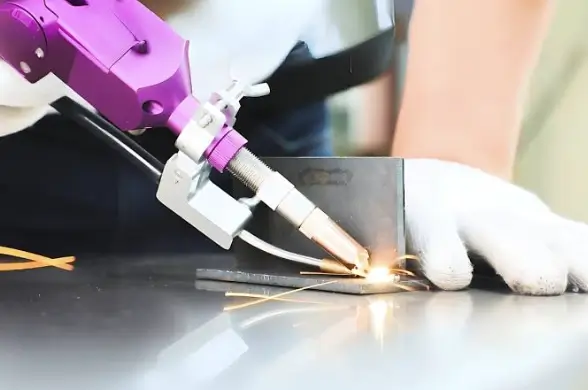
When manufacturers evaluate industrial equipment, technical specifications are often the first details they compare. Power ratings, welding speed, automation features, cooling systems, and software capabilities all appear important during the purchasing process. While these specifications provide useful information, they represent only one part of the overall picture. Long-term manufacturing success depends just as much on the engineering expertise, production experience, and technical capabilities of the company behind the equipment. For this reason, selecting a laser welding machine manufacturer has become a strategic decision that extends far beyond comparing product specifications.
Modern industries operate in highly competitive environments where production efficiency, consistent quality, and operational reliability directly influence business performance. Equipment that performs well during initial demonstrations may not always deliver the same results under real manufacturing conditions if it is not supported by strong engineering, reliable quality control, and continuous technical development.
As manufacturing technologies continue advancing, businesses are increasingly focusing on the overall capabilities of equipment manufacturers rather than relying solely on product brochures. This shift reflects a broader understanding that successful industrial investments depend on long-term partnerships built on innovation, expertise, and dependable support.
Equipment Specifications Tell Only Part of the Story
Technical specifications provide valuable information, but they cannot fully explain how equipment performs throughout its operational life.
Two machines may appear similar on paper while delivering different results in real production environments. Factors such as engineering quality, manufacturing standards, component selection, and system integration often determine long-term reliability.
Businesses therefore evaluate equipment using both measurable specifications and the reputation of the manufacturer responsible for designing and building the technology.
This balanced approach supports more informed investment decisions.
Engineering Experience Shapes Product Quality
Industrial equipment reflects the knowledge and experience accumulated during its development.
Manufacturers with extensive engineering expertise often refine mechanical designs, improve operational stability, and optimize production performance through years of research and practical application.
This experience allows engineering teams to anticipate production challenges before equipment reaches manufacturing facilities.
As industries become more demanding, engineering knowledge becomes an increasingly valuable competitive advantage.
Research Creates Better Manufacturing Solutions
Industrial innovation develops through continuous research rather than isolated improvements.
Manufacturers invest in testing new production methods, evaluating advanced materials, improving software integration, and refining equipment performance.
Research helps identify opportunities to improve efficiency while maintaining reliability across changing manufacturing environments.
Businesses benefit when equipment evolves alongside modern industrial requirements instead of remaining limited to outdated production concepts.
Production Reliability Supports Business Growth
Reliable equipment contributes directly to manufacturing stability.
Unexpected production interruptions affect delivery schedules, operational costs, customer satisfaction, and overall productivity.
Businesses therefore prioritize technologies capable of maintaining consistent performance throughout extended production periods.
Reliability depends upon engineering quality, manufacturing precision, and ongoing product development rather than technical specifications alone.
Stable production environments create stronger foundations for long-term business expansion.
Technical Support Adds Long-Term Value
Industrial equipment requires ongoing support throughout its operational life.
Installation guidance, maintenance planning, troubleshooting assistance, software updates, and engineering consultation all contribute to long-term production success.
Manufacturers offering comprehensive technical support help businesses maximize equipment performance while minimizing operational disruptions.
Strong customer support transforms equipment purchases into lasting industrial partnerships.
See also: PedSense Contactless Push Button: The Future of Smart, Touch-Free Traffic Control Systems
Custom Engineering Meets Diverse Industry Needs
Every manufacturing sector presents unique production challenges.
Automotive companies prioritize productivity and consistency. Aerospace manufacturers require exceptional precision. Medical device producers demand strict quality standards, while electronics manufacturers focus on highly detailed component assembly.
Equipment manufacturers with strong engineering capabilities can adapt technologies to support these different operational requirements.
Customization improves production efficiency while allowing businesses to achieve industry-specific objectives.
Innovation Strengthens Competitive Advantage
Industrial markets continue changing through technological advancement.
Manufacturers introducing innovative engineering solutions help businesses remain competitive by improving operational efficiency, production flexibility, and manufacturing quality.
Innovation extends beyond introducing new equipment. It includes refining existing technologies, improving software functionality, enhancing automation, and simplifying equipment integration.
Continuous development supports sustainable industrial growth.
Digital Manufacturing Expands Engineering Possibilities
Digital transformation continues reshaping manufacturing operations.
Production monitoring, predictive maintenance, intelligent automation, and connected factory systems provide manufacturers with greater operational visibility.
Equipment manufacturers that embrace digital engineering help businesses improve workflow coordination while supporting more informed production management.
Connected technologies contribute to greater efficiency throughout modern manufacturing facilities.
Long-Term Investment Requires Long-Term Vision
Industrial equipment represents a significant business investment.
Successful purchasing decisions consider future production requirements alongside immediate operational needs.
Businesses increasingly evaluate whether equipment can adapt to future technologies, expanding production demands, and changing market conditions.
Long-term planning helps maximize investment value while reducing the need for frequent equipment replacement.
Building Strong Manufacturing Partnerships
Successful industrial operations depend upon collaboration.
Manufacturers benefit from working with technology providers that understand industry challenges, support continuous improvement, and contribute engineering expertise throughout the equipment lifecycle.
Strong partnerships encourage innovation, improve operational confidence, and create opportunities for future production development.
This collaborative approach supports sustainable manufacturing success.
Final Thoughts
Modern manufacturing requires more than advanced equipment specifications. Businesses need dependable engineering, continuous innovation, technical expertise, and reliable long-term support to remain competitive in increasingly demanding industries. Evaluating manufacturer capabilities alongside equipment performance provides a more complete understanding of long-term production value.
As industrial technologies continue evolving, selecting the right laser welding machine manufacturer will remain an important factor in manufacturing success. Manufacturers with strong engineering capabilities, ongoing research, quality-focused production, and customer-centered support help businesses build reliable, adaptable, and future-ready manufacturing operations that extend well beyond technical specifications.