How Advanced Crossing Push Button Solutions Are Helping Create More Inclusive and Efficient Road Networks

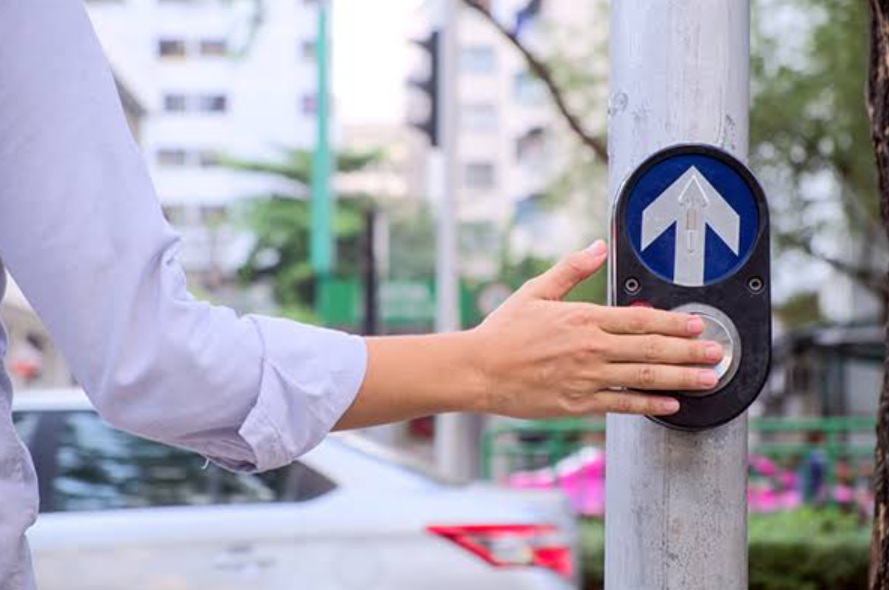
Modern road networks are designed to serve millions of people with different mobility needs, travel habits, and daily routines. As cities continue expanding, transportation planners are focusing on creating infrastructure that is not only efficient but also accessible and safe for everyone. Pedestrian movement has become an important part of urban development, requiring solutions that help people navigate roads with greater confidence. Advanced technologies are supporting this goal, and the crossing push button has become a valuable element in developing more inclusive and efficient road networks.
Road safety is not only about managing vehicles. A successful transportation system must also consider pedestrians, cyclists, elderly individuals, children, and people who may require additional assistance while crossing streets. Traditional crossing systems often provide limited interaction, while modern solutions allow infrastructure to respond more effectively to pedestrian requirements.
As cities move toward smarter and more inclusive planning, improved pedestrian technologies are helping create environments where mobility is safer, easier, and more accessible for diverse communities.
The Need for More Inclusive Road Design
Urban infrastructure should be designed for everyone.
People have different abilities and movement patterns, which means transportation systems must consider a wide range of needs. A road network that works well for one group may create difficulties for another.
Inclusive design focuses on removing barriers and creating public spaces that allow everyone to move independently.
Pedestrian crossing technology is becoming an important part of this approach.
Improving Accessibility for Diverse Communities
Accessibility has become a major focus in modern city planning.
Many pedestrians, including older adults and individuals with mobility challenges, may require additional support when crossing busy roads.
Interactive crossing solutions provide a simpler way for people to communicate their need to cross safely.
By improving accessibility, cities can create transportation systems that serve a wider range of community members.
See also: Executive Business Intelligence
Creating Safer Pedestrian Experiences
Safety is one of the biggest priorities in road network development.
Busy intersections can create challenging situations when pedestrians and vehicles share the same space.
Advanced crossing systems help organize movement by providing clearer interaction between pedestrians and traffic signals.
This improves confidence for people using public roads and contributes to safer urban environments.
Supporting Better Traffic Flow
Efficient road networks require balance between pedestrian movement and vehicle flow.
Traffic systems need to provide safe crossing opportunities without creating unnecessary delays.
Interactive pedestrian solutions help manage this balance by responding to actual crossing requirements.
This creates a more organized approach to traffic control and improves overall road efficiency.
The Role of Technology in Modern Infrastructure
Technology is transforming how cities design and manage transportation systems.
Smart infrastructure solutions are helping authorities improve safety, collect information, and create more responsive public environments.
Pedestrian crossing technologies are becoming part of this transformation.
By connecting users with transportation systems, these solutions help create more intelligent and adaptable road networks.
Helping Build More Walkable Cities
Walkability is an important factor in modern urban development.
Cities that provide safe and accessible walking routes encourage healthier lifestyles and reduce dependence on vehicles.
Reliable pedestrian infrastructure makes public areas more attractive and easier to navigate.
Improved crossing systems support the development of communities where walking becomes a more convenient option.
Supporting Smart City Development
Smart cities focus on using technology to improve everyday experiences.
Transportation is one of the key areas where innovation can create meaningful improvements.
Advanced pedestrian systems contribute to smart city goals by improving safety, efficiency, and accessibility.
As urban areas become more connected, intelligent infrastructure will play a larger role in city planning.
Reducing Challenges at Busy Intersections
Busy intersections often represent some of the most difficult areas for pedestrians.
Heavy traffic, multiple lanes, and constant vehicle movement can create safety concerns.
Better crossing solutions help simplify these situations by creating more organized pedestrian movement.
This reduces confusion and improves cooperation between different road users.
Supporting Future Transportation Networks
Transportation systems are constantly evolving.
Future road networks will need to support increasing populations, changing mobility patterns, and greater demand for accessibility.
Technology-based solutions provide flexibility that helps cities adapt to these challenges.
Investing in advanced pedestrian infrastructure today can create stronger transportation systems for the future.
Improving Community Mobility
Reliable transportation infrastructure directly affects daily life.
People need safe ways to reach workplaces, schools, healthcare facilities, and public spaces.
When pedestrian systems are designed effectively, communities become more connected and easier to navigate.
Small improvements in road infrastructure can create significant benefits for everyday mobility.
The Future of Inclusive Road Networks
The future of transportation will focus on creating systems that are safer, smarter, and more user-focused.
Advanced technologies will continue helping cities improve communication between people and infrastructure.
Pedestrian solutions will become increasingly integrated with wider transportation management systems.
This evolution will support the development of road networks that better serve modern communities.
Final Thoughts
Inclusive and efficient road networks require solutions that consider the needs of all users. As cities continue growing, transportation systems must provide safer, more accessible, and more responsive experiences for pedestrians. Technology is helping transform traditional infrastructure by creating better connections between people and the environments they use every day.
The increasing adoption of the crossing push button highlights how practical innovations can improve urban mobility. By supporting accessibility, enhancing pedestrian safety, improving traffic coordination, and contributing to smarter city planning, this technology is helping create road networks designed for a more inclusive future.