How Technology Powers Modern Entertainment

Technology significantly shapes modern entertainment, enhancing both creation and consumption patterns. Streaming services have revolutionized access to content, while AI algorithms curate personalized viewing experiences. Additionally, virtual and augmented reality introduce immersive storytelling techniques that captivate audiences. As these advancements unfold, the entertainment landscape continues to evolve, raising questions about the future of engagement and interaction in this dynamic industry. What implications do these changes hold for both consumers and creators alike?
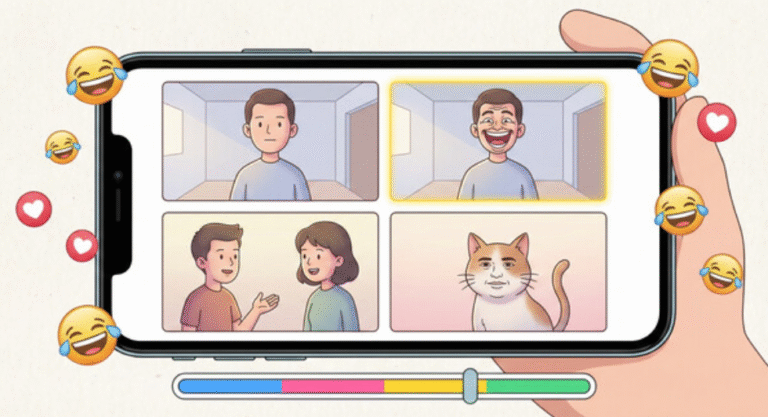
Streaming Services: The Rise of On-Demand Content
As consumers increasingly seek convenience and personalization in their viewing habits, streaming services have emerged as a dominant force in the entertainment landscape.
These platforms boast expansive content libraries that cater to diverse tastes, enabling users to curate their experiences.
Subscription models further enhance accessibility, allowing audiences to enjoy on-demand content without traditional constraints, fostering a culture of freedom in entertainment consumption.
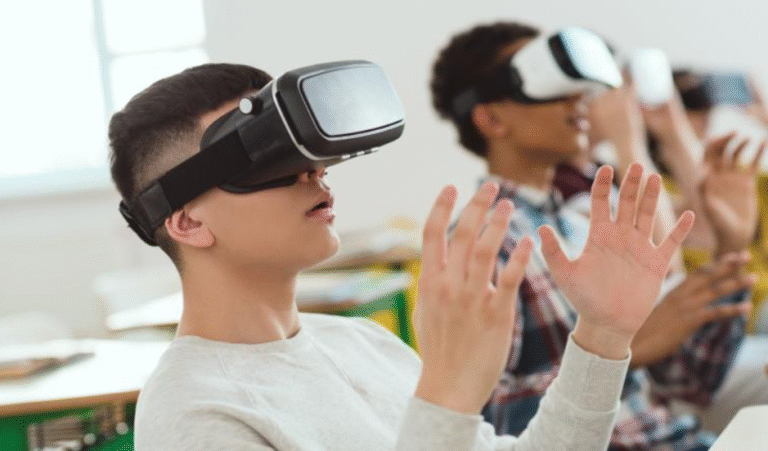
Immersive Experiences: Exploring Virtual and Augmented Reality in Entertainment
How can virtual and augmented reality redefine the boundaries of entertainment?
These technologies create immersive experiences within virtual environments, allowing users to engage with augmented narratives that blend the real and digital worlds.
This shift enables unparalleled interactivity, empowering audiences to explore stories from unique perspectives, fostering deeper emotional connections and enhancing overall enjoyment.
The potential for limitless creativity in entertainment continues to expand.
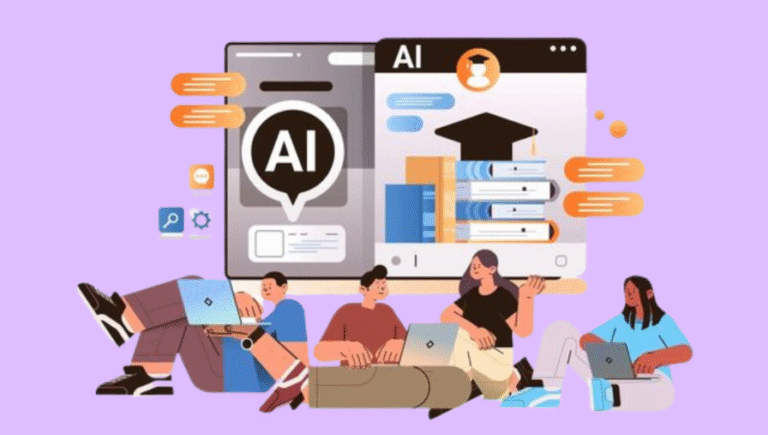
How AI Influences What You Watch?
While viewers may believe they choose what to watch, artificial intelligence increasingly shapes their entertainment options through sophisticated algorithms and data analysis.
By analyzing viewing habits, AI delivers personalized recommendations, enhancing content discovery. This dynamic reshapes user experiences, allowing platforms to suggest films and shows tailored to individual preferences.
Consequently, audiences enjoy a sense of choice, albeit influenced by underlying technological frameworks.
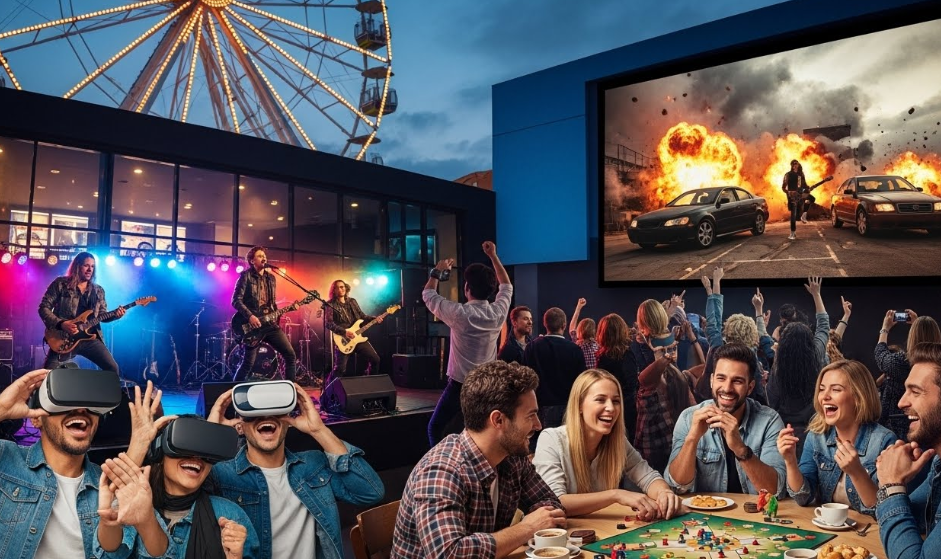
Emerging Technologies Shaping the Future of Entertainment
Emerging technologies are poised to revolutionize the entertainment industry, significantly transforming how content is created, distributed, and consumed.
Virtual production techniques enhance visual storytelling, enabling filmmakers to craft immersive experiences with unprecedented efficiency.
Meanwhile, interactive storytelling empowers audiences to engage actively with narratives, fostering a deeper connection with content.
These advancements promise to reshape not only entertainment but also the very essence of audience participation.
Conclusion
In a world where traditional viewing schedules fade into obsolescence, streaming services offer instant gratification through on-demand content. Yet, as audiences indulge in curated recommendations, they simultaneously crave the immersive depths of virtual and augmented reality, bridging the gap between passive consumption and active participation. The interplay of these technologies not only reshapes individual experiences but also redefines collective storytelling, highlighting a paradox: in seeking convenience, viewers find themselves drawn deeper into the art of narrative exploration.