How Technology Redefines Learning Experiences

The integration of technology into education has transformed traditional learning paradigms. Interactive platforms foster collaboration and competition among students, while gamified content captures their attention. Additionally, adaptive algorithms tailor educational experiences to individual needs, enhancing motivation and ownership. This evolution raises important questions about the future of education. How will these innovations further shape academic landscapes and student outcomes? The answers may redefine the very essence of learning itself.
The Role of Technology in Interactive Learning Platforms
As educational landscapes evolve, technology emerges as a pivotal force in shaping interactive learning platforms.
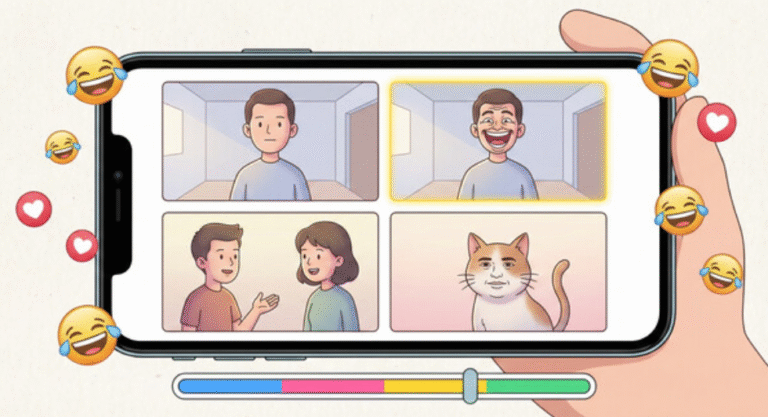
Virtual classrooms facilitate real-time collaboration, transcending geographical barriers, while gamified learning infuses motivation and engagement into the educational experience.
This dynamic interplay of innovation empowers learners to explore, create, and connect, fostering a sense of autonomy and liberation in their pursuit of knowledge within an increasingly digital world.
See also: How Technology Powers Modern Entertainment
How Technology Enhances Engagement in Education
Engagement in education has undergone a transformation, largely driven by technological advancements that captivate students and enhance their learning experiences.
Gamification strategies motivate learners by incorporating game-like elements, fostering competition and collaboration.
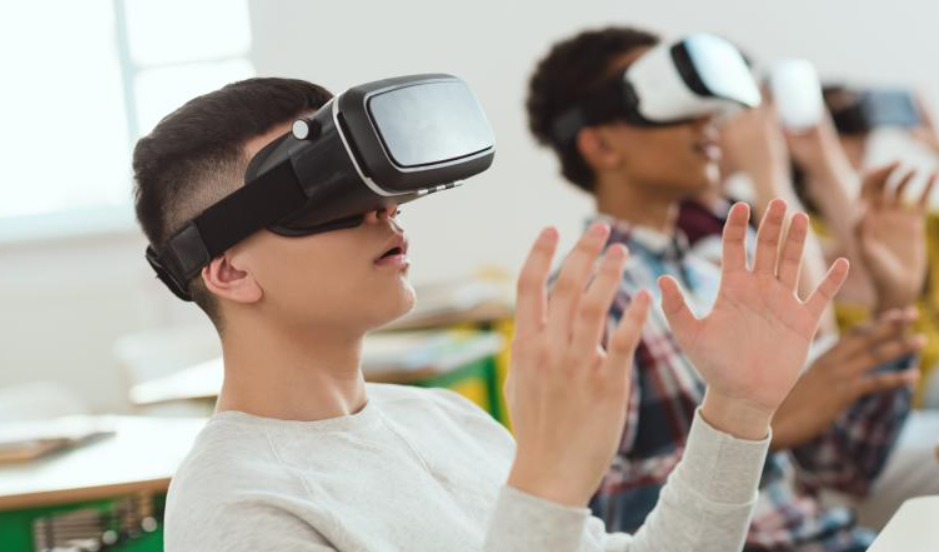
Meanwhile, virtual reality immerses students in dynamic environments, allowing for experiential learning that transcends traditional classroom boundaries.
Together, these innovations create an engaging educational landscape that empowers students to thrive.
How Technology Personalizes Learning for Individual Needs
While traditional education often adopts a one-size-fits-all approach, technology has emerged as a powerful tool that personalizes learning experiences to meet individual needs.
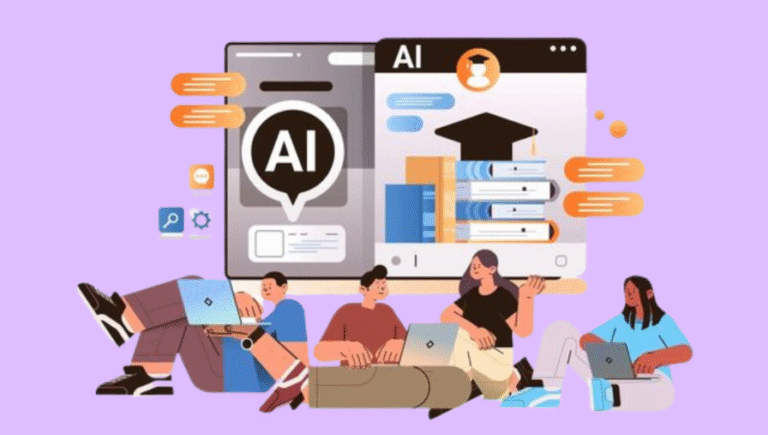
By utilizing adaptive algorithms, educational platforms can tailor content and pacing, ensuring students engage at their own levels.
Additionally, personalized feedback enhances the learning journey, empowering individuals to take ownership of their education and thrive in a dynamic environment.
The Future of Technology in Education: Trends and Predictions
The evolution of personalized learning experiences is merely the beginning of a broader transformation in education driven by technology.
Future trends predict a surge in virtual classrooms and AI tutors, providing tailored educational environments.
As these tools advance, learners will enjoy unprecedented flexibility and autonomy, reshaping traditional pedagogies.
The integration of technology promises to empower students, fostering a new era of limitless educational possibilities.
Conclusion
In an era where textbooks gather dust and chalkboards are relics of the past, technology emerges as the superhero of education, swooping in to revolutionize learning experiences. Interactive platforms dazzle like fireworks, while personalized algorithms whisper secrets of knowledge tailored just for each student. As we stand on the precipice of this digital renaissance, one can only imagine a future where classrooms are vibrant ecosystems of innovation, transforming every learner into a genius ready to conquer the world.