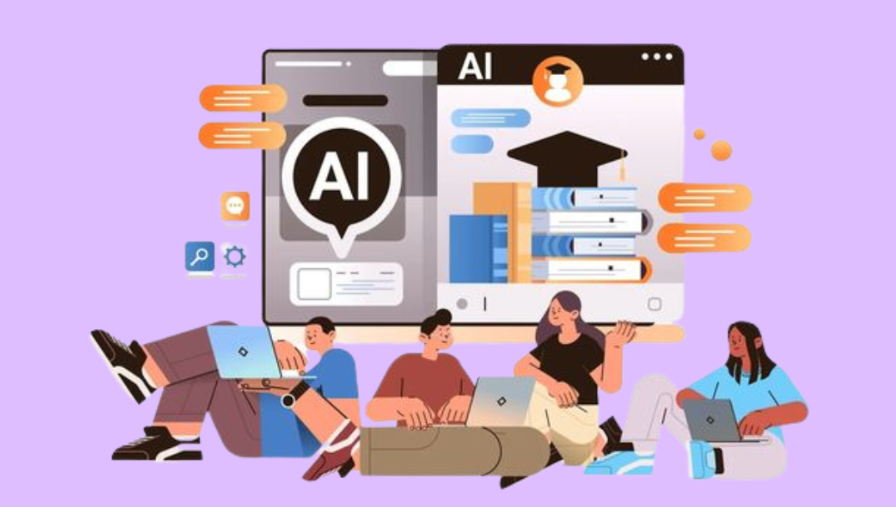
How Technology Shapes Career Paths

Technology plays a crucial role in shaping career paths today. It influences job roles and creates new opportunities, requiring professionals to adapt. Automation and digital tools are redefining work dynamics, emphasizing the need for relevant skills. The rise of remote work and the gig economy introduces flexibility, allowing individuals to customize their careers. However, this transformation also poses challenges. Understanding these dynamics is essential for navigating the evolving landscape of work.
The Impact of Remote Work on Career Opportunities
As remote work has increasingly become the norm rather than the exception, it has significantly transformed career opportunities across various industries.
The rise of remote collaboration tools enables seamless communication, broadening horizons for professionals. Additionally, virtual networking advantages allow individuals to connect globally, creating diverse opportunities that were previously inaccessible.
This shift empowers workers with greater flexibility and autonomy in their career paths.
How Technology and Automation Are Transforming Job Roles
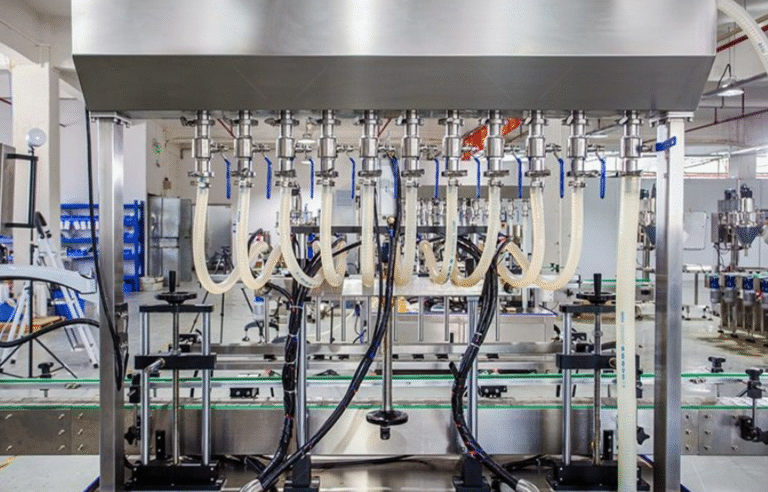
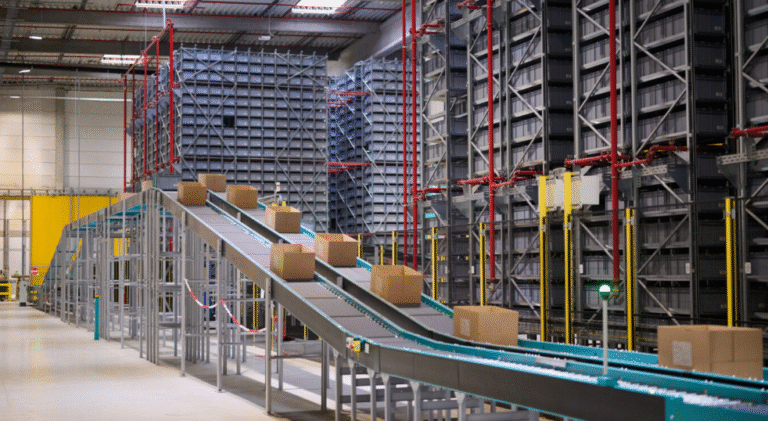
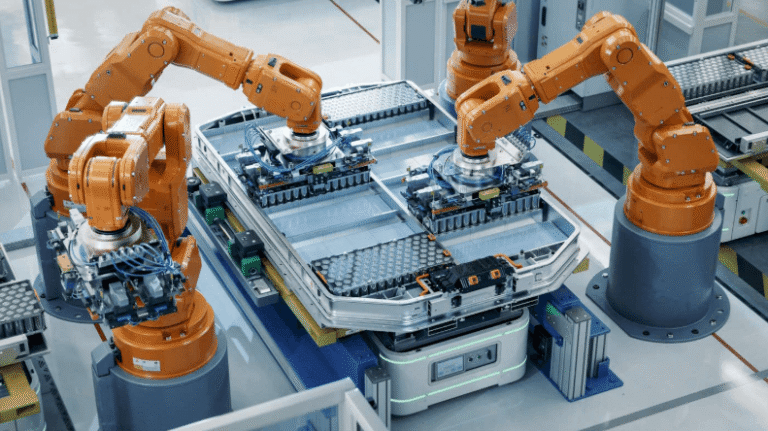
Many industries are witnessing a profound transformation in job roles due to advancements in technology and automation.
This shift often leads to job displacement, challenging workers to adapt to new responsibilities.
As automation becomes more prevalent, discussions surrounding automation ethics gain importance, highlighting the need for responsible implementation.
Understanding these dynamics is crucial for navigating the evolving landscape of work effectively and ethically.
See also: How Technology Redefines Professional Success
Skills in Demand: Adapting to Technological Changes
The rapid evolution of technology and automation not only transforms job roles but also necessitates a shift in the skill sets that workers must cultivate to remain competitive.
Essential skills now include digital literacy and the capacity for continuous learning.
The Gig Economy: Key Benefits and Drawbacks for Your Career
While the gig economy offers unprecedented flexibility and opportunities for diverse income streams, it also presents significant challenges that can impact career trajectories.
Freelance flexibility allows individuals to choose their projects and schedules; however, income instability often accompanies this freedom.
Balancing these advantages and drawbacks is crucial for anyone navigating a career in this evolving landscape, as it shapes both professional growth and financial security.
Conclusion
In conclusion, as technology continues to reshape career landscapes, professionals must embrace the adage “adapt or perish.” The evolving dynamics of remote work, automation, and the gig economy necessitate a proactive approach to skill acquisition and flexibility. By cultivating digital literacy and technical expertise, individuals can not only navigate the competitive job market but also harness new opportunities that align with their passions and lifestyle aspirations. Continuous learning will be the cornerstone of career success in this transformative era.