Exploring Intelligent Security Systems for Enterprises

Introduction to Modern Corporate Safety
Corporate safety has evolved far beyond physical security and basic firewalls. Today’s organizations face complex threats that require smart, fast, and integrated solutions. As cyber risks grow, businesses must rethink how they protect sensitive data and operations.
The digital landscape is constantly shifting. New technologies bring both opportunities and vulnerabilities. Companies must be vigilant, using a blend of advanced tools and strategic planning to safeguard their assets. This new era of corporate safety focuses on swift threat identification, seamless system collaboration, and a proactive approach to risk management.
The Role of Converged Logic in Security
Converged logic brings different security technologies together, allowing them to work as a unified system. By connecting tools and processes, companies can spot and respond to threats faster. Understanding what is AI security for enterprise protection is a key step toward building a strong and responsive defense.
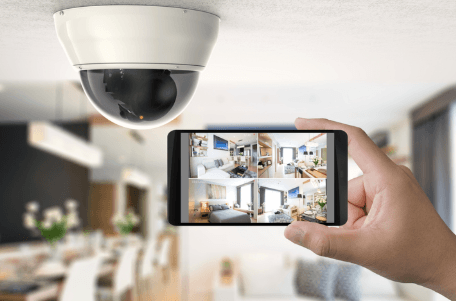
Converged logic means breaking down the silos between physical and digital security. For example, access control systems, surveillance cameras, and cyber-monitoring platforms can share data and trigger coordinated responses. This integration helps organizations detect threats that might go unnoticed if systems operated separately. As threats become more sophisticated, unified security platforms provide the agility needed to keep up.
Why Rapid Threat Detection Matters
Speed is critical in cybersecurity. Rapid threat detection helps companies act before attacks cause harm. Automated monitoring and smart alerts allow teams to identify suspicious activity in real time. According to the Cybersecurity & Infrastructure Security Agency, early detection can stop many incidents from escalating.
Fast detection is especially important for preventing data breaches and minimizing downtime. With cyberattacks happening in seconds, every moment counts. Rapid response tools can isolate affected systems, block malicious traffic, and alert security teams all within moments of a threat emerging. The faster a threat is detected, the less damage it can cause.
AI and Machine Learning: New Frontiers in Security
Artificial intelligence (AI) and machine learning can analyze large amounts of data to find patterns missed by humans. These tools adapt to new threats, making security systems more effective over time. The National Institute of Standards and Technology highlights how AI supports faster threat recognition and decision-making.
AI-driven security platforms can sift through millions of events daily, sorting out false alarms from real risks. Machine learning models improve as they process more data, allowing them to spot subtle changes in behavior that might signal a cyberattack. This adaptability is crucial, as hackers often change tactics to bypass traditional defenses. By continuously learning, AI helps organizations stay a step ahead.
Integrating Physical and Cybersecurity Measures
Modern corporate safety merges physical and digital security. For example, access controls, cameras, and digital monitoring work together to protect assets. The convergence of these systems allows for a more complete view of risks and better coordination during incidents, especially when supported by fire watch pittsburgh services that provide continuous on-site surveillance and emergency preparedness.
By linking physical and cyber systems, organizations can respond more effectively to incidents. For instance, if a badge access system detects an unauthorized entry, it can trigger a lockdown and alert the cybersecurity team to monitor for related network activity. This holistic approach ensures that no threat vector is ignored, whether it comes through the door or over the internet.
Building a Unified Security Architecture
A unified security architecture brings together all components, hardware, software, policies, and people under a single framework. This consolidation simplifies management and improves visibility. Security teams can monitor all activity from a central dashboard, making it easier to identify patterns and spot anomalies.
Unified platforms also support better regulatory compliance. By consolidating logs and reports, companies can prove they are taking the necessary steps to protect data. This is especially important for industries like finance and healthcare, where regulations are strict and penalties for breaches can be severe. According to a report by the International Association of Privacy Professionals, integrated security architectures help organizations meet evolving compliance requirements.
Proactive Strategies for Rapid Response
To stay ahead, organizations need proactive strategies. This involves regular risk assessments, employee training, and incident response planning. Automation and real-time analytics provide early warnings, while clear protocols ensure teams know how to react. Proactive steps help reduce the damage from attacks and support quick recovery.
Organizations should also conduct regular tabletop exercises and simulated attacks that test the effectiveness of their response plans. These drills help identify gaps and ensure everyone knows their role during a real incident. By preparing in advance, companies can minimize confusion and make faster, more informed decisions when under pressure.
See also: How Technology Redefines Professional Success
The Human Element in Corporate Safety
While technology is crucial, human awareness remains vital. Employees must recognize threats like phishing or suspicious behavior. Ongoing training and clear communication help build a security-minded culture. A strong partnership between people and technology reduces the risk of human error and creates a safer workplace.
Security awareness programs should cover topics such as password safety, safe internet use, and incident reporting. Regular updates keep employees informed about new threats. According to the Federal Trade Commission, well-trained staff is often the first line of defense against cyberattacks.
Challenges in Converging Security Approaches
Bringing together different security systems can be complex. Compatibility issues, data privacy concerns, and the need for skilled staff are common hurdles. Careful planning and investment in the right tools are essential for a smooth transition to a converged security model.
Organizations may face resistance to change, especially if staff are used to working in silos. It is important to involve all stakeholders early in the process and provide adequate training. Data privacy must also be a top priority, as combining systems can create new vulnerabilities if not managed properly. Working with experienced consultants or industry experts can help ensure a successful integration.
The Importance of Incident Response Planning
Having a well-defined incident response plan is critical for minimizing the impact of security breaches. This plan should outline steps to take when a threat is detected, including communication protocols, roles and responsibilities, and recovery procedures.
Regularly updating and testing the plan ensures it remains effective as threats and technologies evolve. Teams should practice responding to various scenarios, including ransomware attacks and insider threats. The U.S. Department of Homeland Security recommends reviewing and refining incident response plans at least annually.
Looking Ahead: The Future of Corporate Safety
Corporate safety will continue to change as technology advances. Future solutions will likely use smarter AI, deeper integration, and even faster detection methods. Staying informed and flexible will help organizations protect themselves in an ever-evolving threat landscape.
Innovations such as quantum computing, advanced biometrics, and predictive analytics may soon play a role in corporate safety. Companies that invest in research and stay up to date with industry trends will be better positioned to face new challenges. Collaboration across industries and with government agencies can also strengthen defenses and support the sharing of best practices.
Conclusion
The convergence of logic and rapid threat detection marks a new era in corporate safety. By combining advanced technologies with skilled people and proactive strategies, companies can better defend against modern threats. The future depends on staying alert, adapting to change, and building strong, unified security systems.
FAQ
What is converged logic in corporate security?
Converged logic refers to integrating different security systems and processes so they work together to detect and respond to threats more effectively.
How does rapid threat detection work?
Rapid threat detection uses automated tools to monitor systems in real-time, providing immediate alerts when suspicious activity is found.
Why is AI important for corporate safety?
AI can quickly analyze large amounts of data, identify patterns, and adapt to new threats, making it a valuable tool for modern security systems.
What challenges do companies face with integrated security?
Challenges include technology compatibility, data privacy, and the need for staff with the right skills to manage and coordinate multiple systems.
How can companies prepare for future security threats?
Companies should invest in new technologies, train employees regularly, and develop clear incident response plans to stay ready for evolving risks.