How a Case Packer Is Transforming Modern Packaging Automation in Industrial Production

Modern manufacturing is no longer limited to producing goods efficiently; it now demands intelligent systems that can handle packaging, sorting, grouping, and distribution with high accuracy and minimal human involvement. As global supply chains expand and consumer demand increases, industries are shifting toward fully automated packaging solutions that improve speed, consistency, and operational reliability.
Among the most important innovations in this space is the case packer, a machine designed to automatically organize products into cartons or cases for shipping and storage. This system has become a key component in industries such as food and beverage, pharmaceuticals, cosmetics, and consumer goods, where packaging efficiency directly affects overall productivity.
A case packer is not just a mechanical device; it represents a shift toward smarter production environments where precision, automation, and workflow optimization work together to reduce manual effort and improve output quality.
The Evolution of Packaging Automation
Packaging processes were once heavily dependent on manual labor. Workers were responsible for collecting products, arranging them into boxes, sealing containers, and preparing them for distribution. While effective in small-scale operations, this approach became inefficient as production demands increased.
To solve these challenges, industries introduced semi-automatic systems, and eventually fully automated packaging machines. The case packing system emerged as a major breakthrough in this evolution, offering faster throughput and higher consistency compared to manual operations.
Today, packaging automation is considered an essential part of modern manufacturing rather than an optional upgrade.
See also: IPTV Suppliers Canada: Ranked 2026
What Makes a Case Packer Essential in Industrial Systems
A case packing system plays a critical role in final-stage production. After products are manufactured and inspected, they must be grouped and packaged for transport. This is where efficiency becomes extremely important.
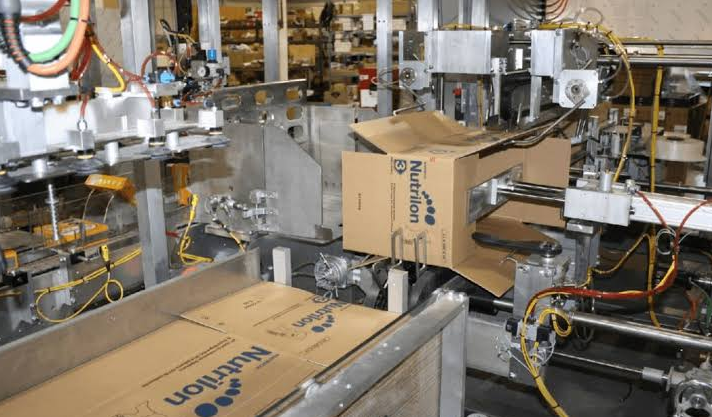
A case packer performs this task with precision by automatically arranging products into predefined configurations and placing them into shipping cases. This reduces human error, increases speed, and ensures uniform packaging quality across production lines.
Industries rely on this technology to maintain consistency while handling large-scale production volumes.
Types of Case Packing Systems Used in Industry
Different industries require different packaging solutions depending on product size, shape, and fragility. Case packing systems are therefore designed in multiple configurations.
Some systems focus on robotic arms that pick and place products with high accuracy. Others use mechanical pushers or conveyor-based systems that group items before packaging. Advanced models integrate vision systems that detect product orientation and ensure correct placement.
This flexibility allows manufacturers to choose systems that best match their production requirements.
Efficiency Gains in Modern Manufacturing
One of the biggest advantages of using a case packing system is the significant improvement in operational efficiency. Manual packaging processes often slow down production due to fatigue, inconsistency, and human limitations.
Automated systems eliminate these issues by working continuously at a stable speed. This results in higher output levels and reduced downtime.
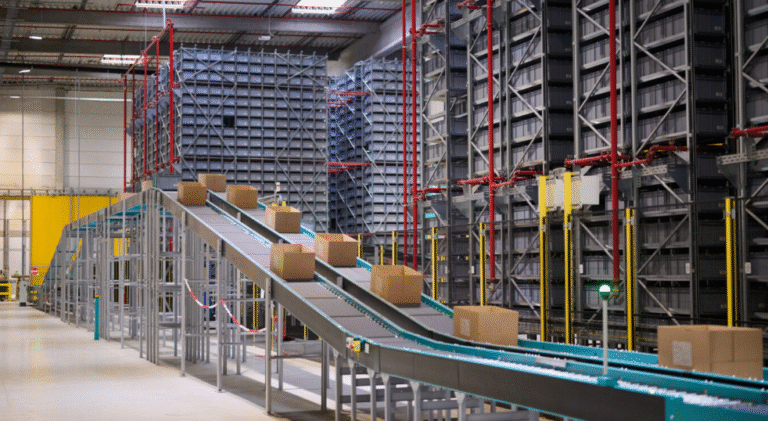
A case packer also helps streamline workflow by integrating directly with upstream production machines, creating a seamless packaging line from manufacturing to distribution.
Accuracy and Consistency in Packaging Operations
Consistency is extremely important in packaging industries. Products must be arranged in a uniform manner to avoid damage during transportation and to maintain professional presentation.
Automated case packing systems ensure that every product is placed accurately according to predefined patterns. This reduces variation and improves overall packaging quality.
Such precision is particularly important in industries like pharmaceuticals and food production, where packaging integrity is critical.
Reduction of Labor Dependency and Operational Costs
Labor costs are a significant factor in industrial operations. Manual packaging requires a large workforce, which increases expenses and introduces variability in performance.
By implementing a case packer, companies can significantly reduce dependency on manual labor. This allows businesses to reallocate human resources to more strategic roles such as quality control and system management.
Over time, automation leads to lower operational costs and improved return on investment.
Integration with Smart Manufacturing Systems
Modern manufacturing environments are increasingly connected through automation and digital control systems. Case packing machines are designed to integrate with these smart production environments.
They can communicate with conveyor systems, filling machines, labeling equipment, and warehouse management systems. This creates a fully synchronized production line where every stage operates efficiently.
This integration supports Industry 4.0 principles, where machines work intelligently together to optimize production.
Reliability and Continuous Production Capability
Industrial packaging requires machines that can operate continuously without interruption. Any breakdown in packaging can disrupt the entire supply chain.
Case packing systems are built with durable components and advanced control mechanisms to ensure stable performance under heavy workloads. Their design minimizes mechanical failure and ensures consistent operation over long production cycles.
A reliable case packer allows manufacturers to maintain uninterrupted production flow, which is essential for meeting high market demand.
Future Trends in Case Packing Technology
The future of packaging automation is moving toward greater intelligence and adaptability. Emerging systems are expected to include AI-based product recognition, predictive maintenance, and adaptive packaging configurations.
These advancements will allow machines to automatically adjust to different product types without manual reconfiguration. This will further increase efficiency and reduce production downtime.
As technology continues to evolve, case packing systems will become even more integrated into fully autonomous production environments.
Conclusion
The case packer has become a vital component of modern packaging automation, helping industries achieve higher efficiency, accuracy, and reliability in their production processes. It represents a major step forward from manual packaging methods to fully automated industrial systems.
By improving speed, reducing labor dependency, and ensuring consistent packaging quality, case packing technology plays a crucial role in supporting large-scale manufacturing operations.
As industries continue to move toward smarter and more automated production systems, case packing machines will remain an essential part of efficient and future-ready manufacturing environments.