How the Right Linear Motors Supplier Can Shape the Future of Industrial Innovation

Industrial automation is entering a new era where precision, speed, and intelligence define manufacturing success. Factories that once depended on traditional mechanical systems are rapidly transitioning toward advanced motion technologies capable of meeting the demands of modern production. From semiconductor fabrication and electronics assembly to robotics and packaging equipment, manufacturers are seeking solutions that can deliver greater efficiency while maintaining exceptional accuracy.
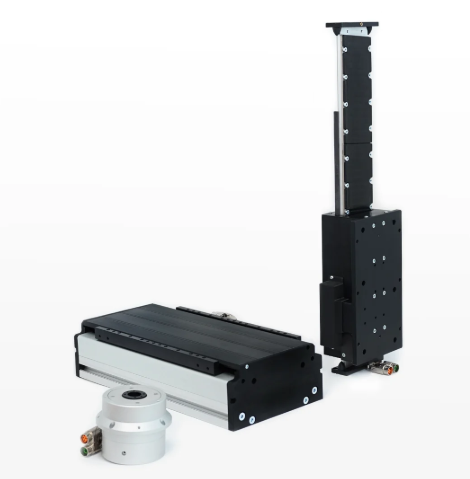
At the heart of this transformation lies linear motor technology. Unlike conventional rotary systems that rely on mechanical conversion methods to generate movement, linear motors create motion directly. This approach eliminates many of the limitations associated with belts, lead screws, chains, and gear systems. The result is a motion platform capable of achieving higher speeds, smoother movement, and superior positioning accuracy.
However, the success of any automation project depends not only on the technology itself but also on the expertise behind it. Choosing the right linear motors supplier is one of the most important decisions manufacturers make when building next-generation production systems. A supplier does more than provide hardware. They contribute knowledge, technical support, engineering guidance, and long-term partnership that directly influences project outcomes.
Why Manufacturing Is Moving Toward Direct Motion Systems
Traditional mechanical transmission systems have supported industrial production for decades. While these technologies remain useful in certain applications, modern manufacturing increasingly requires performance levels that exceed their capabilities.
Today’s production facilities must operate at faster speeds while maintaining tighter tolerances. Product designs have become more complex, and customer expectations continue to rise. Manufacturers are expected to produce higher-quality products with shorter lead times and lower operational costs.
Direct motion systems address many of these challenges by removing unnecessary mechanical components from the motion process. This reduction in complexity allows equipment to operate more efficiently while minimizing wear and maintenance requirements.
As industries continue embracing automation, direct-drive technologies are becoming essential tools for maintaining competitiveness.
See also: IPTV Suppliers Canada: Ranked 2026
Beyond Components: The Role of a Technology Partner
Many organizations initially approach automation projects with a focus on product specifications. While technical data is important, successful implementation often depends on far more than numbers on a specification sheet.
A reliable supplier acts as a technology partner throughout the project lifecycle. They help evaluate application requirements, identify potential challenges, recommend suitable configurations, and provide support during installation and optimization.
Every manufacturing environment is different. Load requirements, environmental conditions, acceleration demands, positioning accuracy, and operational objectives vary from one project to another. Generic solutions rarely provide optimal results.
Experienced suppliers understand these complexities and help manufacturers design systems that maximize performance while reducing long-term operational risks.
Why Precision Has Become a Competitive Advantage
Precision is no longer limited to specialized industries. It has become a competitive requirement across nearly every manufacturing sector.
Consumers expect consistency in the products they purchase. Industrial buyers demand tighter tolerances and improved quality control. Production errors that were once considered acceptable now create significant financial consequences.
Linear motors provide exceptional positioning capabilities because they eliminate mechanical backlash and minimize friction-related inaccuracies. This level of precision supports improved product quality while reducing material waste and production inefficiencies.
For industries such as medical device manufacturing, semiconductor production, and electronics assembly, precision directly impacts profitability and customer satisfaction.
The Relationship Between Speed and Production Efficiency
Speed has always been important in manufacturing, but modern production environments require speed without sacrificing control.
Many traditional motion systems face limitations when attempting to increase operating velocity. Mechanical wear, vibration, and positioning instability can create performance bottlenecks that reduce overall efficiency.
Linear motors overcome many of these challenges by delivering direct acceleration and deceleration capabilities. Their ability to achieve rapid movement while maintaining precise control allows manufacturers to increase throughput without compromising quality standards.
As production demands continue to increase, high-speed motion technology becomes an increasingly valuable competitive asset.
Reducing Downtime Through Simpler Motion Architecture
Downtime remains one of the most expensive challenges facing industrial operations. Every minute of unplanned equipment stoppage affects productivity, delivery schedules, and profitability.
Complex mechanical systems contain numerous components that require maintenance and periodic replacement. Belts stretch, gears wear, bearings fail, and transmission systems require ongoing adjustment.
Linear motor technology simplifies motion architecture by eliminating many of these components. Fewer moving parts generally translate into fewer maintenance requirements and reduced opportunities for mechanical failure.
Manufacturers seeking greater reliability often view direct-drive systems as long-term investments in operational stability.
Supporting the Rise of Smart Factories
The concept of smart manufacturing continues gaining momentum worldwide. Modern factories increasingly rely on interconnected systems capable of collecting data, optimizing processes, and responding dynamically to changing production requirements.
Motion control plays a critical role within these intelligent environments. Equipment must communicate effectively with sensors, controllers, robotics platforms, and data management systems.
Linear motors integrate naturally into advanced automation architectures because they provide highly responsive and programmable motion control. Their performance characteristics support the flexibility required by modern smart factory initiatives.
As Industry 4.0 technologies continue evolving, motion systems capable of supporting intelligent automation will become increasingly important.
Industry Applications Driving Linear Motor Growth
The adoption of linear motor technology continues expanding across numerous industries. Semiconductor manufacturers rely on ultra-precise positioning for wafer processing equipment. Electronics producers use direct-drive systems to support delicate assembly operations.
Packaging companies utilize high-speed motion systems to increase throughput while maintaining product consistency. Robotics manufacturers depend on accurate motion control to improve system responsiveness and operational flexibility.
Medical equipment producers benefit from the precision and reliability required in highly regulated environments. Even emerging industries such as battery manufacturing and advanced materials processing are incorporating linear motor technology into their production strategies.
This broad range of applications demonstrates the versatility and long-term relevance of direct-drive motion systems.
Why Long-Term Support Matters
Technology investments extend far beyond initial installation. Manufacturing systems often operate continuously for years and require ongoing optimization as production demands evolve.
A strong supplier relationship provides access to technical expertise, troubleshooting assistance, future upgrades, and application support. This continuity helps organizations maximize the value of their automation investments over time.
Suppliers that understand industry trends can also help businesses prepare for future technological developments, ensuring that motion systems remain relevant as manufacturing requirements change.
Conclusion
The future of manufacturing depends on technologies that deliver greater speed, accuracy, reliability, and efficiency. Linear motors have emerged as one of the most important innovations supporting this transformation, enabling manufacturers to overcome many of the limitations associated with traditional motion systems.
Yet technology alone is not enough. The knowledge, experience, and support provided by a trusted linear motors supplier often determine whether an automation project achieves its full potential.
As industries continue pursuing smarter production methods and higher performance standards, organizations that partner with experienced motion technology providers will be better positioned to innovate, compete, and grow in an increasingly automated world.