Why Robotic Arm Manufacturers Are Driving the Next Industrial Revolution

Modern industries are changing at a speed that was unimaginable a few decades ago. Factories that once depended heavily on manual labor are now shifting toward intelligent automation systems that can perform complex tasks with higher accuracy, consistency, and speed. This transformation is not just about replacing human effort but about improving productivity and reducing operational inefficiencies across production lines.
At the center of this industrial shift are robotic arm manufacturers, the companies responsible for designing and producing advanced robotic systems used in manufacturing, logistics, healthcare, automotive production, electronics assembly, and many other sectors. These manufacturers are not only building machines but are actively shaping the future of industrial automation.
The demand for robotic solutions continues to grow as businesses look for ways to improve efficiency, reduce errors, and maintain consistent output in highly competitive markets.
The Evolution of Industrial Automation
Industrial automation has evolved significantly over time. In earlier stages, machines were designed to perform simple repetitive tasks, but they lacked flexibility and intelligence. Over time, advancements in engineering and software systems allowed machines to become more adaptive and precise.
Robotic arms represent one of the most advanced stages of this evolution. They combine mechanical engineering, sensors, and programming systems to perform tasks that require accuracy and repeatability at scale.
Today, industries rely heavily on these systems to streamline operations that would otherwise require large human workforces.
See also: IPTV Suppliers Canada: Ranked 2026
What Robotic Arm Manufacturers Actually Do
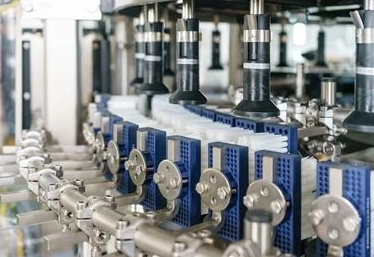
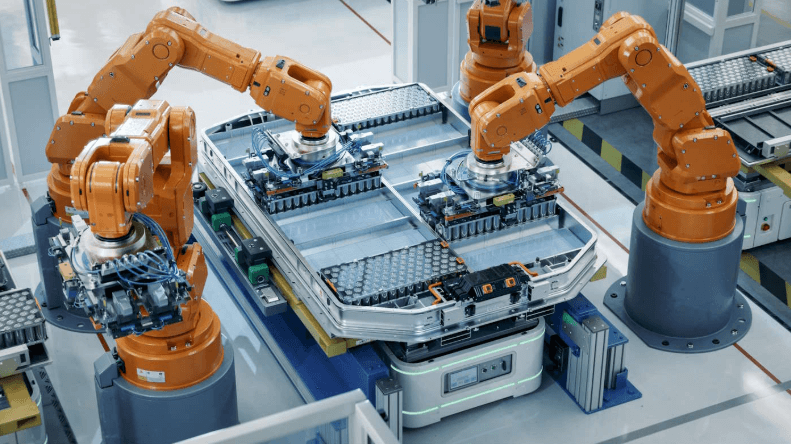
Robotic arm manufacturers design, develop, and produce mechanical systems that replicate human arm movements with extreme precision. These robotic systems are equipped with multiple joints, sensors, and control systems that allow them to perform tasks such as welding, assembling, packaging, painting, and material handling.
A major role of robotic arm manufacturers is to ensure that these systems are customizable and adaptable to different industrial needs. Each industry requires different levels of speed, precision, and load capacity, and manufacturers design robotic arms accordingly.
Their work also involves integrating software systems that allow machines to operate autonomously or with minimal human supervision.
Why Industries Are Increasingly Adopting Robotic Arms
One of the biggest reasons for the rise in robotic automation is efficiency. Traditional manufacturing processes often face limitations such as human fatigue, inconsistency, and slower production rates. Robotic arms eliminate these issues by operating continuously without loss of performance.
Another major factor is precision. In industries like electronics and automotive manufacturing, even the smallest error can lead to significant losses. Robotic arms provide consistent accuracy, reducing the risk of defects.
Additionally, automation helps companies reduce long-term operational costs by minimizing labor dependency and improving output quality.
Key Applications of Robotic Arm Technology
Robotic arms are used in a wide range of industries, each with unique operational requirements. In automotive manufacturing, they are commonly used for welding and assembly tasks that require high precision and speed.
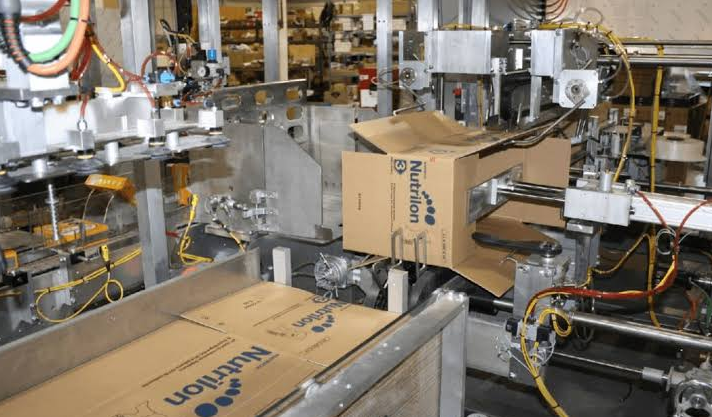
In electronics production, robotic systems handle delicate components that require careful placement and minimal error margins. In logistics and warehousing, they are used for sorting, packaging, and material handling.
The versatility of robotic arms makes them one of the most important technologies in modern industrial systems.
Role of Robotic Arm Manufacturers in Innovation
Innovation is at the core of robotic arm development. Manufacturers continuously work on improving design efficiency, load capacity, speed, and integration capabilities.
Modern robotic systems are becoming more intelligent with the help of artificial intelligence, machine learning, and advanced sensor technology. These improvements allow robotic arms to adapt to changing environments and perform complex tasks with greater autonomy.
The role of robotic arm manufacturers is therefore not limited to production but extends to continuous technological innovation.
Improving Workplace Safety Through Automation
One of the often-overlooked benefits of robotic automation is improved workplace safety. Many industrial tasks involve repetitive, heavy, or hazardous work conditions that can pose risks to human workers.
By using robotic arms, companies can reduce human exposure to dangerous environments such as high-temperature welding zones, chemical processing areas, or heavy lifting operations.
This leads to safer workplaces and fewer industrial accidents, improving overall operational stability.
Customization and Industry-Specific Solutions
Different industries have different requirements, and robotic arm manufacturers design systems accordingly. Some applications require high-speed operations, while others demand extreme precision or heavy load capacity.
Manufacturers develop customized solutions that meet these specific needs, ensuring optimal performance in different industrial environments.
This flexibility is one of the key reasons robotic arms are widely adopted across various sectors.
Integration With Smart Manufacturing Systems
Modern manufacturing is moving toward fully connected smart factories where machines communicate and coordinate with each other. Robotic arms play a central role in this ecosystem.
They can be integrated with sensors, control systems, and production software to create fully automated production lines. This integration improves efficiency, reduces downtime, and enhances production visibility.
The ability to connect robotic systems with digital infrastructure is a major advancement in industrial automation.
Future of Robotic Arm Technology
The future of robotic arms is closely linked with advancements in artificial intelligence, robotics engineering, and smart manufacturing systems. Future systems are expected to become more autonomous, flexible, and capable of learning from real-time data.
We can also expect improvements in human-robot collaboration, where machines and workers operate side by side in a shared workspace.
As technology continues to evolve, robotic arm manufacturers will play a critical role in shaping the next generation of industrial systems.
Conclusion
Robotic arm manufacturers are at the heart of the global shift toward automation and intelligent manufacturing. Their innovations are transforming industries by improving efficiency, enhancing precision, and reducing operational risks.
From automotive production to electronics assembly and logistics, robotic arms are becoming essential tools in modern industrial environments.
As industries continue to evolve, the importance of robotic arm technology will only increase, making manufacturers key contributors to the future of global production systems.